
Identify
Understand exactly where manual MTR review broke down and why cross-checks weren't catching it
Graphite India Limited manufactures graphite electrodes and other carbon and graphite products for steel producers and process industries worldwide. Every consignment ships against a certified material specification, and every batch of incoming raw material has to be traceable back to its source heat and verified against the engineering bill of materials (EBOM) before it enters production.
As supplier volume grew and document formats multiplied, the cost of those errors — scrap, rework, after-the-fact compliance investigations — kept accumulating. The intent to fix it properly, though, was never in question.
The challenge wasn't just reading documents faster — it was making it structurally impossible for a non-compliant material to leave the review queue undetected, in an environment where MTRs, delivery notes, and invoices arrive from dozens of suppliers, in four different languages, with no shared layout between them.
We were brought in to design a system that would read and verify documents the way a trained compliance officer does — not the way a generic document-scanning tool assumes a document should look.
Understand exactly where manual MTR review broke down and why cross-checks weren't catching it

Build an OCR and LLM extraction pipeline that reads any supplier's document format and language
Make it structurally impossible for a non-compliant shipment to reach production unresolved

Support a multilingual, multi-supplier document flow with a full audit trail behind every decision
Every MTR, delivery note, invoice, and EBOM is processed through a proprietary OCR pipeline paired with an in-house large language model, regardless of which supplier issued it or what template they used.
The result: every field — grade, heat number, chemical composition — normalised into one consistent record regardless of source language or layout.
Once an MTR is extracted, the system automatically compares grade, chemical composition, and mechanical properties against the tolerance ranges defined in the EBOM and purchase order.
No shipment can be marked ready for production until every flag raised against it has been resolved — either cleared by a compliance officer with a logged justification, or rejected outright.
The platform runs on Graphite India's own infrastructure, accessible from desktop browsers in the compliance office and from tablets and PDAs already in use on the receiving dock.
The compliance team now has a complete, queryable record linking every component back to the MTR and heat number that cleared it.
From document capture to a released, fully audited shipment — every stage recorded, one hard gate before anything reaches production.
MTR, delivery note, and invoice captured on tablet or PDA and linked to the purchase order.
Web app · tablets & PDAs
Structured fields extracted regardless of supplier layout or source language.
EN · JA · KO · ZH
Grade, composition, and quantities compared automatically against tolerance and order.
Rule engine
Every flag must be cleared or rejected before a shipment can be marked ready.
Hard block on open flags
Every extraction, check, and decision is logged and visible to the compliance team in real time.
Full heat-level traceabilityWe used to catch compliance issues after the fact. Now the system catches them before material ever reaches the floor — in whatever language the paperwork arrives in.
Graphite India
I used to spend most of a shift matching numbers across three documents by hand. Now I see compliance, quantity, and invoice status in one screen before the material even leaves the dock.
Graphite India
0
Non-compliant releases
Since rule-engine rollout
100%
Material traceability
Every component to its source heat
4
Languages supported
English, Japanese, Korean, Chinese
~85%
Faster document review
Time per shipment, pre- to post-launch

It's a system that reads Mill Test Reports, delivery notes, invoices, and EBOMs automatically, extracts the values that matter for compliance, and cross-checks them against engineering and purchasing requirements before material is released to production.
Every supplier issues MTRs in a different layout and, often, a different language — a compliance officer has to locate the same values in a different place every time, which makes grade mismatches and out-of-tolerance compositions easy to miss under volume and time pressure.
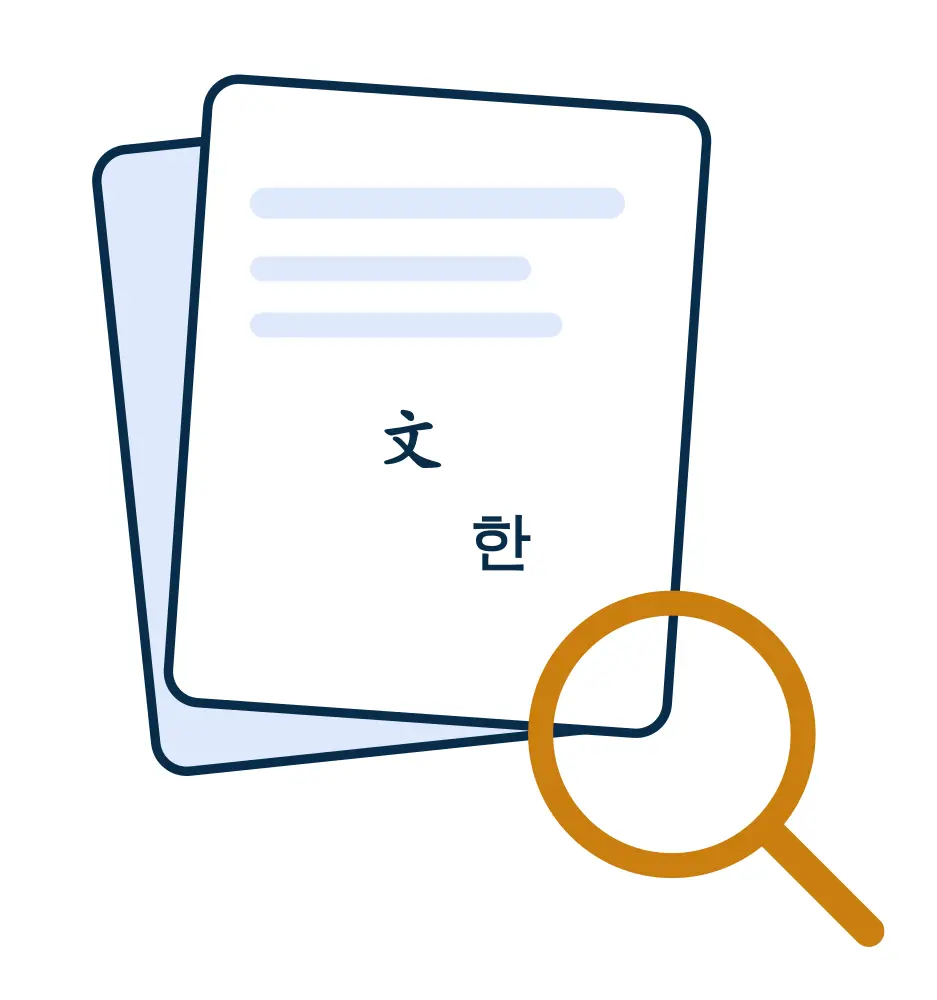
A proprietary OCR pipeline handles the raw text and layout, and an in-house LLM recognises the same underlying field — grade, heat number, composition — across English, Japanese, Korean, and Chinese, normalising it into one consistent record regardless of source language.
It's an automatic comparison of a shipment's extracted grade, chemical composition, and mechanical properties against the tolerance ranges defined in the engineering bill of materials — any deviation is flagged before the shipment is accepted into inventory.
The same extraction pipeline reads delivery notes and invoices and matches quantities and line items against the purchase order, surfacing short shipments or discrepancies in the same review queue as material non-compliance.
It routes into a review queue where a compliance officer sees the extracted values next to the source document and the requirement it failed, then either clears the flag with justification or rejects the shipment — nothing flagged moves forward on its own.
Yes. The platform runs as a web app accessible from desktop browsers in the compliance office and from handheld tablets and PDAs already in use on the receiving dock — no new dedicated hardware required.
To keep material and supplier data inside the client's own infrastructure, since MTRs and EBOMs often contain commercially sensitive supplier and specification information.
Because every component is traced back to its source MTR and heat number, the compliance team can scope exactly which components were affected by a supplier issue within minutes, instead of the days a manual document search would take.
By designing around how compliance teams actually work — multi-language extraction, automatic cross-checks against engineering requirements, and a full audit trail — rather than adapting a generic document-scanning tool to a regulated environment.
© 2026 London School of DIGITAL BUSINESS.
All Rights Reserved